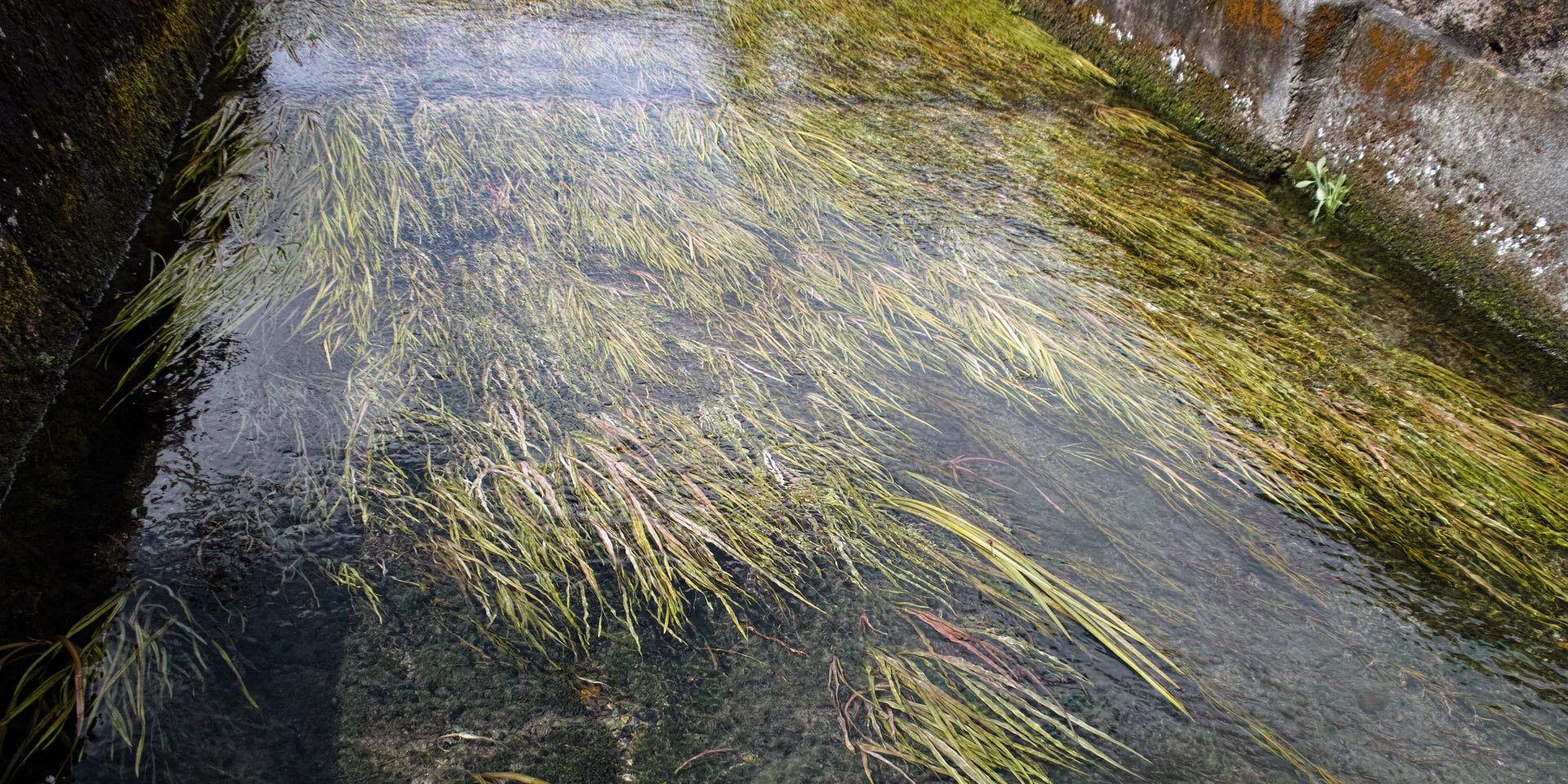

In the Harie district of Takashima City, Shiga Prefecture, a culture deeply rooted in valuing water has thrived for centuries. A unique symbol of this is the "Kabata," a household spring water system passed down through generations in this lakeside community on the shores of Lake Biwa.
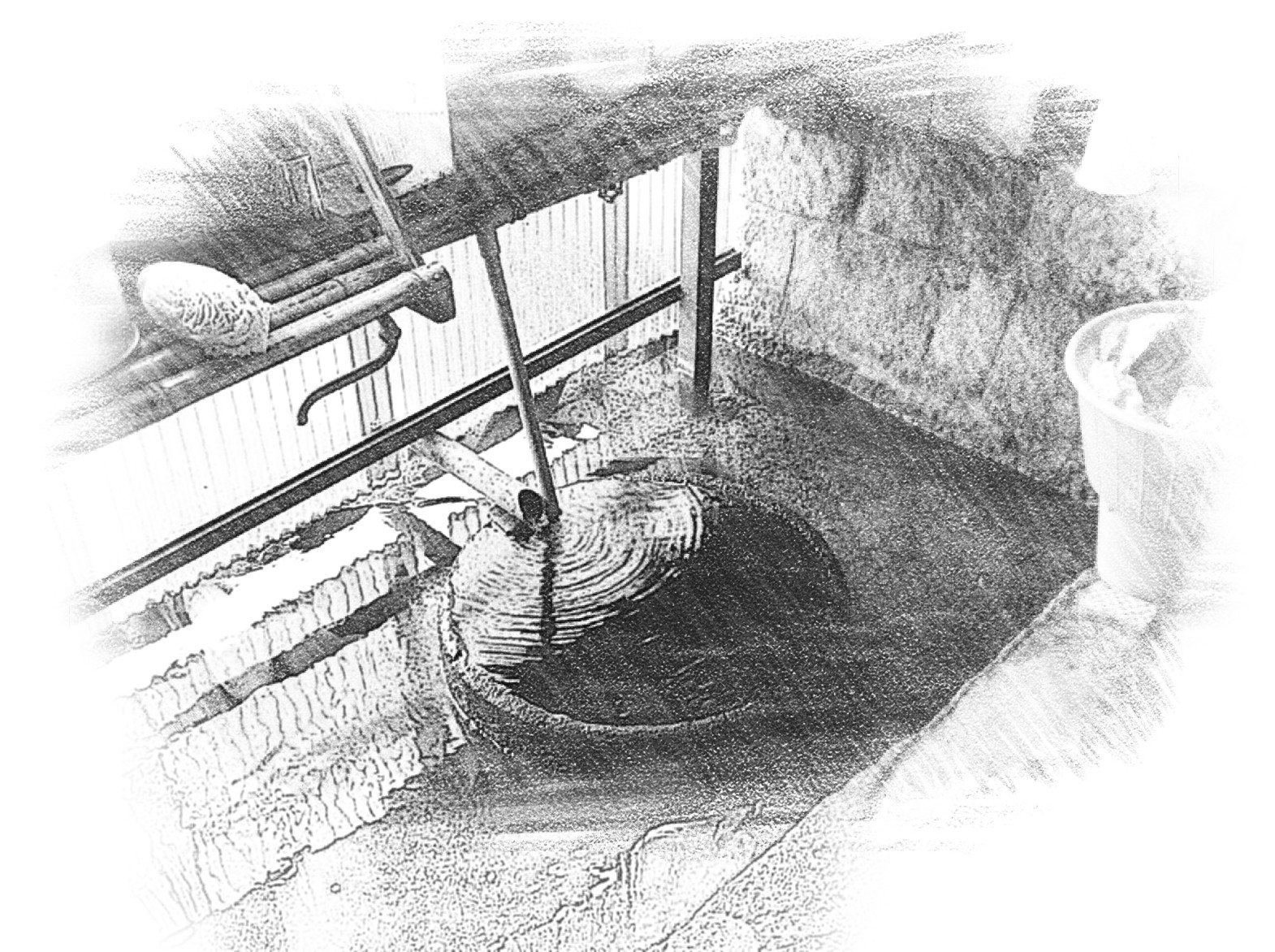
At the heart of each Kabata is a circular basin where fresh spring water continuously wells up. This water serves as precious drinking water for the household. The rim of this basin is slightly elevated above the Kabata's water surface, allowing the overflow to cascade into the surrounding area. This overflow is then used for washing dishes and laundry. Remarkably, carp are kept in the Kabata, diligently cleaning up any food scraps from these activities.
The Kabata is more than just a source of domestic water. It is deeply intertwined with the lives of the people, evolving over time as a testament to living in harmony with nature and a wisdom for achieving a sustainable society.
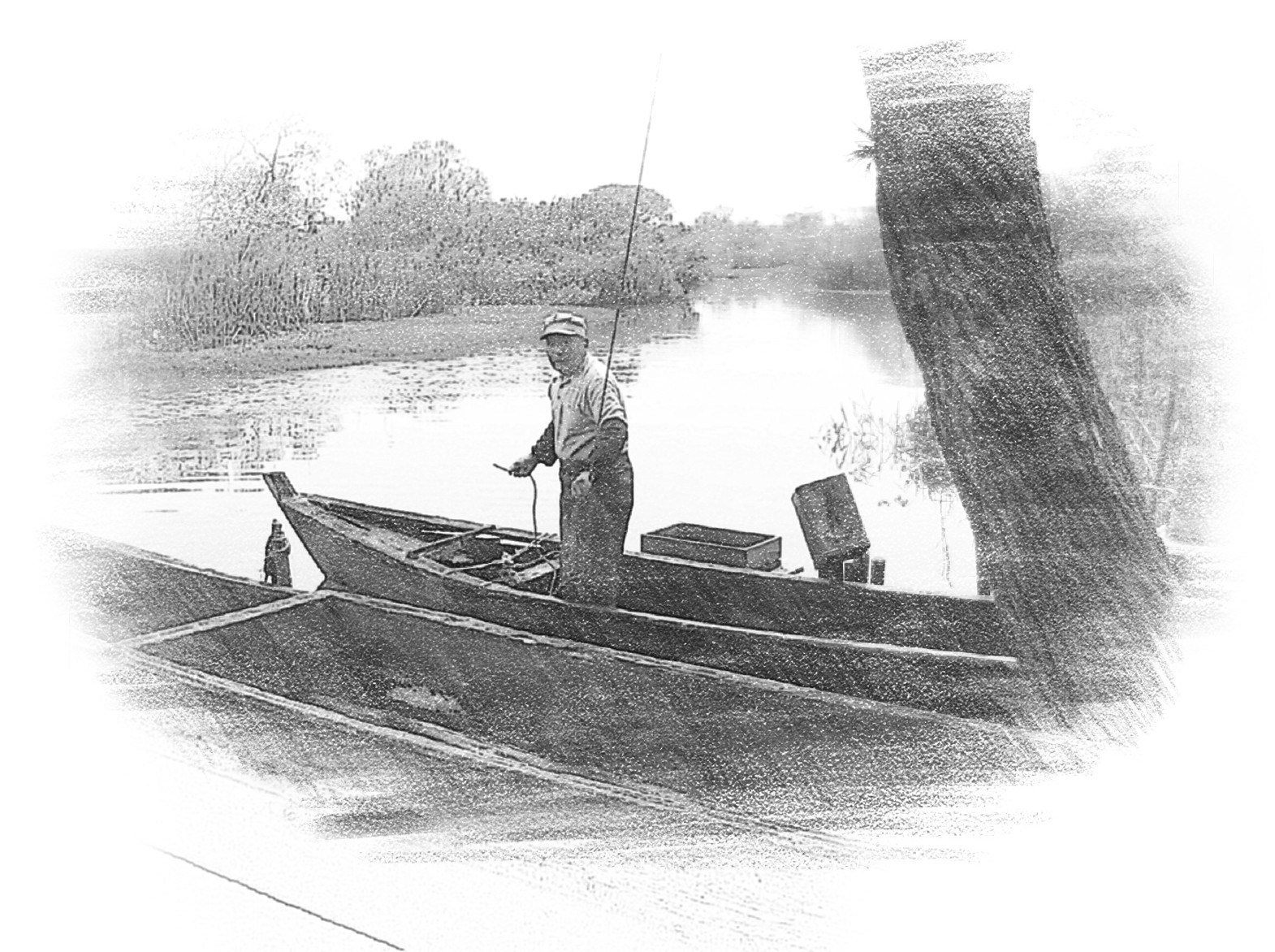
Mr. Tanaka Sangoro was a fisherman who lived in this Harie district. Known for his helpful nature and having served as a local councilor, he was a pillar of the community. People relied on him for his extensive knowledge of all things Harie. He fished in Lake Biwa using traditional methods passed down through generations and cultivated the fields and gardens around his home to grow the necessities of life. Despite the changing times, he steadfastly maintained the traditional way of life around Lake Biwa.
Quite unexpectedly, Mr. Tanaka Sangoro's simple life garnered attention from numerous media outlets. His unpretentious way of living and his profound love for nature deeply moved many people.
The house where he lived was a traditional Harie-style home. After he passed away, the house remained unoccupied for some time. However, it has now been preserved in its original state and opened to the public as a museum.
Located at the northern edge of Harie, the house is surrounded by rice paddies, and beyond the garden, nestled between storehouses, lies a small vegetable patch. Stepping inside through the entrance feels like entering a place where time has stood still. Visitors can touch the spring water flowing from the Kabata and sense the small pockets of nature within the home.
- This NationalGeography site shows a very good picture of Harie and Mr. Tanaka Sangoro.
Japan's Secret Water garden - David Attenborough | National Geographic Documentary 2023 - For the time being, we will open on Monday, Thursday,and Friday, with Saturdays and Sundays on an irregular basis. Visitors need advance reservation. please use the form below.
-
Please send any questions and inquires to this address:
museum@wakimizunomori.com